
Why Coaching Cues Matter
In the world of sports performance, athletes don’t always need more information—they need better cues. That’s why I rely on simple, powerful phrases like “Stay in the Tunnel.” This phrase isn’t just catchy; it’s transformational. It teaches athletes how to get into a low, powerful position so they can explode with purpose, whether they’re changing direction, reacting on defense, or preparing to attack. In this blog, I’m breaking down exactly what “Stay in the Tunnel” cue means and why it matters to any coach looking to develop true multidirectional speed.
What Does “Stay in the Tunnel” Really Mean?
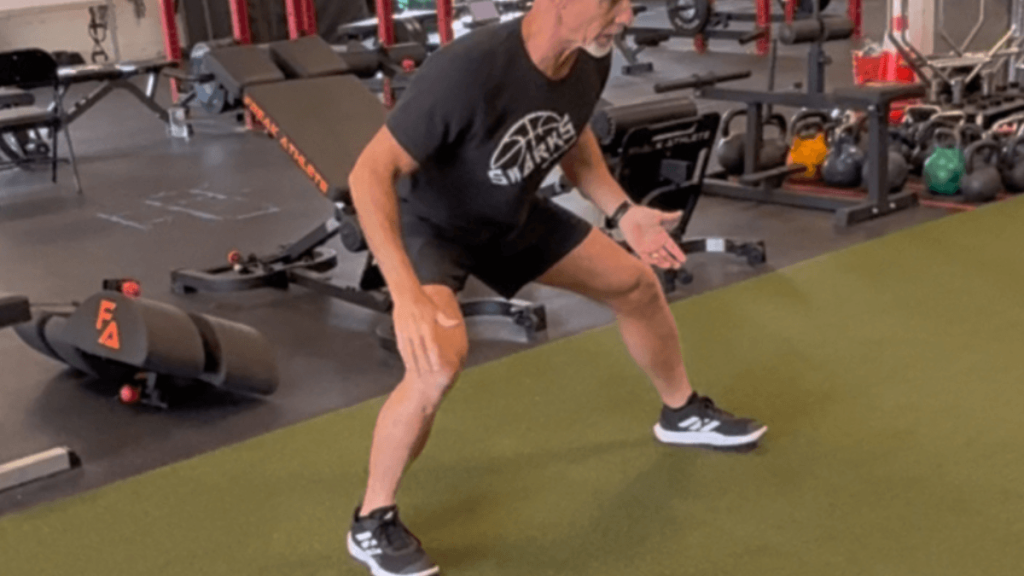
Imagine an athlete inside a narrow tunnel. There’s no room to stand tall. They have to stay low, balanced, and braced for movement. That’s the concept.
“Staying in the Tunnel” means the athlete lowers their center of mass as they prepare to engage—whether it’s avoiding a defender, changing direction, or reacting to a play. It’s about breaking down the body into a compact, athletic posture that allows for immediate, reactive speed. Standing tall might feel faster, but it limits leverage and reaction time. Staying low gives the athlete more access to power and control.
The Cue Behind the Concept
The art of coaching is rooted in communication. Great coaches don’t just yell corrections—they simplify movement with memorable language.
That’s why I say things like:
- “Stay in the Tunnel”
- “Find the Angle”
- “Low to Explode”
These aren’t just motivational phrases. They’re visual, tactile, and immediately applicable. When I tell an athlete to stay in the tunnel, they know to drop into a loaded stance. It instantly improves their ability to decelerate, redirect, or accelerate—all crucial elements of multidirectional speed.
Finding the Angle: Built-In Efficiency
When athletes stay low, they naturally begin to “find the angle”—that is, they position their body in a way that maximizes push-off power. This is instinctual, but it gets sharper with practice.
If an athlete is too upright, their joints are already extended, leaving little room to load and push. That means slower first steps, less range, and inefficient force production. But when they’re in the tunnel, their hips, knees, and ankles are flexed—ready to spring. That’s the magic of combining angles with awareness.
Load to Explode: Why Height Matters
This is where the phrase “low to explode” comes into play. A tall athlete can’t fully utilize their range of motion to generate speed. But when they drop into the tunnel and find a proper angle, they gain access to full ankle dorsiflexion, knee bend, and hip hinge.
That added joint range turns into:
- More time under tension
- More force into the ground
- More power out of the cut
If you’re coaching change of direction or first-step explosiveness, this posture matters. It’s not about just looking quick—it’s about creating the physical conditions for quickness.

Visualize the Difference
Picture two athletes playing tag. One is upright. The other is low, reactive, and moving like a cat. Which one wins the angle? Which one wins the footrace?
Now imagine you’re the coach. What cue helps them make that adjustment on the fly? Telling them “get lower” is vague. Telling them to “Staying in the Tunnel” cue gives them a mental model they can apply instantly—and it sticks.
Reactive Strength Starts at Ground Contact
When athletes land from a jump or come to a stop, Staying in the Tunnel gives them the mechanics to absorb and redirect force. It preps the nervous system, fires the muscle fibers, and lights up the stretch reflex.
If they’re upright on contact? The switch doesn’t flip. The musculature doesn’t load properly. The nervous system doesn’t engage the way it should. But if they’re down, loaded, and in position, the signal is loud and clear: explode.
When to Coach It, When to Let It Happen
A good coach knows when to correct and when to observe. If your athletes are already playing low and finding effective angles, you don’t need to interrupt. But if you see hesitation, poor cuts, or a lack of reactive speed, this cue is gold.
Correct the angle. Cue the tunnel. Reinforce the low-to-explode pattern.
Make It Stick: Cue, Rehearse, Repeat
Teaching this concept doesn’t require fancy drills. Use movement games like tag, mirror drills, or reactive partner drills. Watch how athletes naturally fall into or out of the tunnel. Then cue accordingly. It’s not about barking corrections—it’s about reinforcing efficient habits.
Keep it simple. “Stay in the tunnel” is enough.
Hundreds of coaches have used these strategies, and the feedback speaks for itself. Get instant access to the course that’s helping coaches worldwide → GroundBreaking2.
Conclusion: A Simple Cue That Delivers Big Results
Great speed isn’t just about raw ability—it’s about positioning, posture, and reaction. “Staying in the Tunnel” helps athletes build those habits in a way that’s easy to remember and quick to implement.
If you’re looking for a way to immediately elevate your coaching and your athletes’ results, start using this phrase today. When your athletes stay low, find angles, and explode with purpose—you’ll start seeing game-changing speed.