
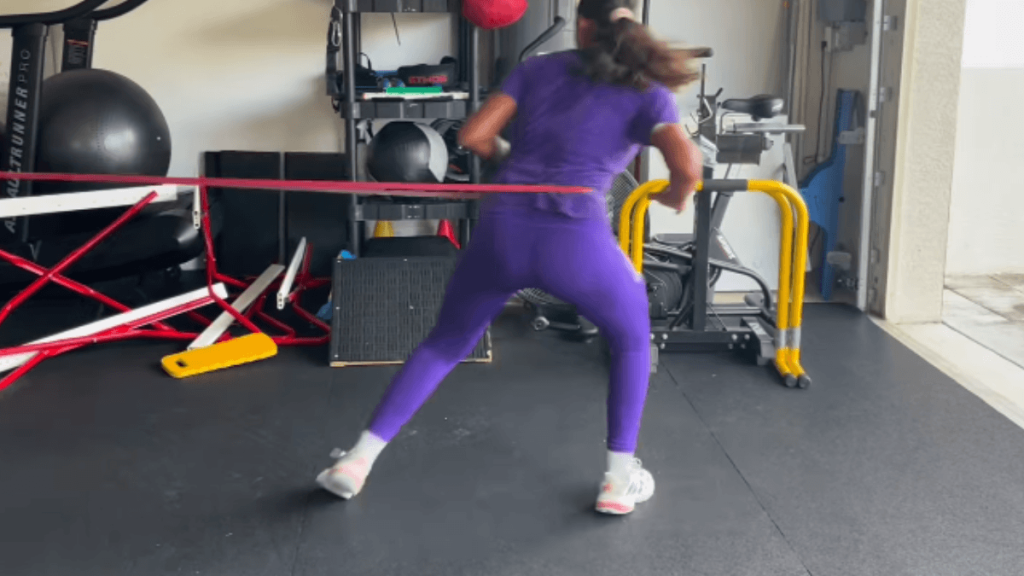
Why Coaching Terminology Matters in Speed Training (And How It Helps Athletes Become More Reactive)
Many coaches spend hours designing drills. But far fewer spend time developing the language used to teach movement. In fast-paced sports environments, the words a coach uses can determine how quickly an athlete understands a movement, reacts under pressure, and applies the skill in competition.
Over the past several decades, speed coach Lee Taft has emphasized that terminology is not just language—it’s a coaching tool. Clear movement terminology allows coaches and athletes to instantly connect a word to a specific action, making coaching faster, clearer, and far more effective.
In this article, you’ll learn:
- Why terminology plays a critical role in teaching athletes to be reactive
- How movement language improves athlete learning
- Examples of key terms used in Lee Taft’s speed system
- How coaches can apply this concept immediately in training
Why Terminology Matters in Speed Training
Speed training environments are chaotic. Athletes are moving, reacting, adjusting, and making decisions in fractions of a second. In these situations, long explanations don’t work. Instead, athletes need short, precise cues that immediately trigger the correct movement response.
This is where terminology becomes powerful. When coaches use consistent language tied directly to specific movement patterns, athletes develop what could be called a movement vocabulary. That vocabulary allows them to quickly recall and execute movements during training or competition.
For example, instead of saying: “Move your feet quicker and stay low while sliding defensively.”
A coach can simply say: “Snap Shuffle.“
Immediately, the athlete understands the exact movement pattern being requested.
Building a Movement Vocabulary for Athletes
One of the key ideas behind Lee Taft’s system is that athletes should build a library of movements they can access instinctively. Terminology helps organize those movements.
Instead of viewing drills as isolated exercises, each term represents a specific reaction athletes naturally perform in sport. Some well-known examples include:
- Plyo-Step – the natural force-producing step athletes use to initiate movement
- Hip Turn – rotating the hips to accelerate in a new direction
- Directional Step – stepping toward a new movement path
- Glide Step – covering space efficiently without excessive vertical movement
- Snap Shuffle – a quick, short defensive lateral shuffle
Each term represents a specific biomechanical action, not just a drill. Over time, athletes begin to recognize these movements during play and react more efficiently.

Teaching Athletes to Be More Reactive
A major goal in modern speed training is teaching athletes to be reactive rather than robotic. When athletes memorize only drills, they often struggle to transfer those skills to real-game situations.
However, when athletes understand movement concepts through terminology, they begin to recognize when those movements appear naturally during competition. For example, during a basketball defensive sequence, an athlete might need to:
- Snap Shuffle to contain a ball handler
- Hip Turn to open up and run
- Lateral Run to cover ground
- Decelerate and redirect
Because each action has a clear name tied to a movement pattern, the athlete can quickly recognize and execute the correct reaction. This is one reason terminology plays a key role in teaching athletes to be reactive rather than simply repeating drills.
Creating Clear Coaching Communication
Another advantage of terminology is how it improves communication between coaches and athletes. When an entire coaching staff uses the same language, instruction becomes:
- Faster
- Clearer
- More consistent
Instead of multiple coaches using different phrases for the same movement, everyone shares a common movement language. This reduces confusion and accelerates learning. For example, instead of hearing several different cues such as:
- Slide faster
- Move laterally
- Stay low
Athletes simply hear: Snap Shuffle.
The cue becomes immediate and recognizable.
How Terminology Fits Into a Complete Speed System
Terminology is not meant to replace coaching instruction. Instead, it becomes part of a larger framework that helps coaches:
- Identify movement patterns
- Teach correct mechanics
- Improve athlete reactions
- Develop multidirectional speed
In Lee Taft’s coaching system, movements are organized into patterns that appear across multiple sports. These patterns include:
- Linear (acceleration & max velocity)
- Lateral (shuffle & lateral run)
- Retreating (hip turn & backpedal)
- Jumping (jumping)
Once coaches understand these movement patterns, terminology helps them teach and reinforce the actions athletes perform within them. This creates a structured approach to coaching speed rather than relying on random drills.

Example: Applying Terminology in Basketball Defense
Consider a typical defensive possession in basketball. A defender might need to perform several movement reactions within seconds. Instead of general coaching cues, terminology helps define each action:
| Movement Situation | Coaching Term |
|---|---|
| Quick defensive slide | Snap Shuffle |
| Open hips to run | Hip Turn |
| Cover ground laterally | Lateral Run |
| Move in the intended direction | Directional Step |
By labeling each movement, athletes begin to build a mental map of movement patterns in sport. Over time, those patterns become automatic.
Why Language Matters When Coaching Speed
Movement training is often taught visually, but language still plays a major role in how athletes learn. Clear terminology helps athletes:
- Recognize movement patterns faster
- Understand coaching cues instantly
- React more efficiently during competition
- Build confidence in their movement abilities
In other words, terminology enables coaches to teach movement more effectively, ultimately helping athletes move better.
Learn the Complete Multidirectional Speed System
Understanding terminology is just one part of developing effective speed training. In Lee Taft’s Ground Breaking 2 course, coaches learn the full system behind multidirectional speed, including:
- The mechanics of athletic movement
- How to teach reactive speed
- Movement terminology used in real sport situations
- Practical drills that translate directly to game performance
If you want to improve how you teach athletes to move, react, and change direction, this course provides the complete framework coaches around the world use.
Learn more about the Ground Breaking 2 course and start building a better movement system for your athletes.
Summary
Speed training is not just about drills. It’s about how coaches communicate movement concepts to athletes. By developing clear terminology, coaches create a shared movement language that helps athletes:
- Learn Faster
- React Quicker
- Apply Skills in Real Game Situations
When terminology becomes part of a structured speed system, coaches gain a powerful tool for teaching athletes how to move efficiently in sport.
Frequently Asked Questions
What is movement terminology in speed training?
Movement terminology refers to specific words used to describe athletic movement patterns. Instead of giving long instructions, coaches use short terms like Plyo-Step, Hip Turn, or Snap Shuffle that instantly communicate how an athlete should move.
These terms allow athletes to quickly understand and apply movement skills during training and competition.
Why is terminology important when coaching athletes?
Terminology improves coaching communication and learning speed. When athletes and coaches share the same movement language, instructions become faster and clearer. Instead of repeatedly explaining the mechanics, a coach can simply use a specific term that represents the movement pattern.
This helps athletes react faster and perform movements more efficiently during sport.
How does terminology help athletes become more reactive?
When athletes learn movement terminology, they begin to associate words with movement reactions. For example:
- Snap Shuffle signals a quick shuffle to control space and recover without overreaching.
- Hip Turn signals rotate the hips and feet to reorient the body for a retreating acceleration.
- Directional Step signals a quick turn of the lead foot, so the toes point in the new direction, while the back leg provides the first powerful push to drive the body that way.
Because the movement is linked to a word, athletes can recognize and react faster during competition.
What are examples of common speed training terminology?
Some widely used movement terms include:
- Plyo-Step
- Hip Turn
- Directional Step
- Glide Step
- Snap Shuffle
Each term describes a specific biomechanical movement pattern that athletes naturally perform in sport.
How can coaches teach athletes to be more reactive?
Coaches can improve athlete reactivity by:
- Teaching fundamental movement patterns
- Using clear terminology for each movement
- Creating drills that require athletes to react to stimuli
- Practicing movements that appear in real game situations
Combining movement principles, terminology, and reactive drills helps athletes transfer training to competition.