
How to Run a Speed Training Session for Athletes (5 Proven Coaching Tips)
A successful speed training session should include a targeted warm-up aligned with the day’s movement patterns, reactive drills to engage the nervous system, skill-driven drill selection, real-time corrective coaching, and high effort from athletes. When these elements are applied together, coaches can improve movement quality, decision-making, and game-speed performance in every session.
Why Most Speed Sessions Fail (And How to Fix It)
Most coaches do not struggle because they lack drills.
They struggle because they do not structure sessions around how athletes actually move, react, and learn.
After 30+ years working with athletes at all levels, I have found that great speed sessions are not about doing more. They are about doing the right things, in the right order, with the right intent.
Below are the 5 principles I use to run effective, game-transferable speed sessions.
1. Warm Up for the Day (Not Just to Break a Sweat)
What Most Coaches Do
Use generic warm-ups that simply check a box.
What You Should Do
Warm up the exact movement patterns and planes you will train that day.
- Lateral day: emphasize frontal plane movement, hip rotation, and foot positioning
- Linear day: emphasize posture, projection angles, and arm action
- Multi-directional day: blend planes, transitions, and repositioning
This prepares the body and primes the nervous system for the skills that follow. This is where many sessions are won or lost.
2. Start with Reactive Speed (Engage the Nervous System Early)
Athletes do not show up to perform drills. They show up to compete and react.
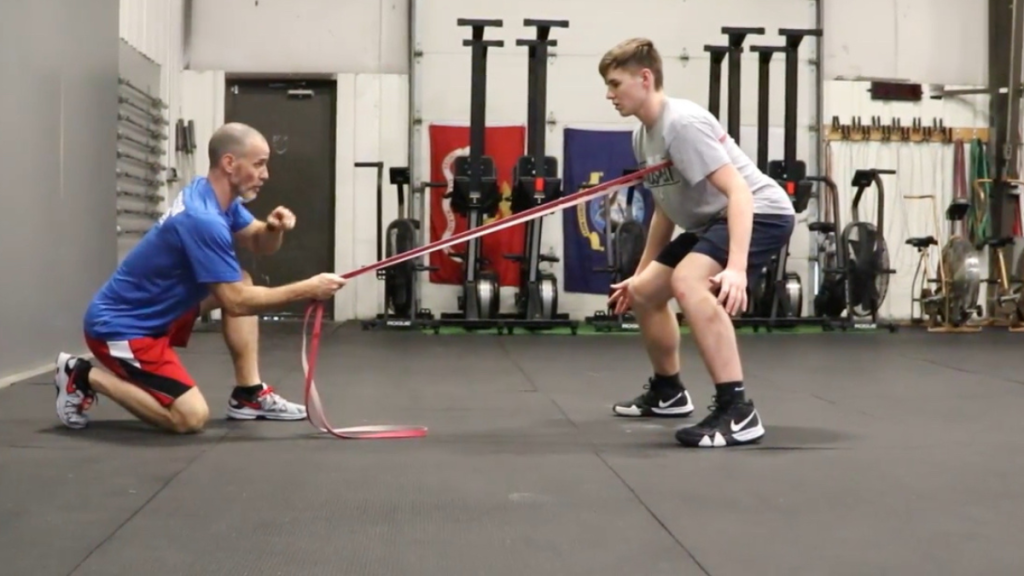
That is why I start sessions with Reactive Tier System drills using a coach’s command, partner movement, or a visual or auditory signal.
This does two critical things:
- Instantly raises intensity and focus
- Gives you a real-time assessment of movement quality
You will quickly see who looks stiff, who lacks timing, and who is out of sync. Now you know exactly what to coach that day.
Reaction first. Correction second.
3. Teach Skills Through Drills (Not With Words)
One of the biggest coaching mistakes is talking too much while asking the drill to do too little.
If you want athletes to perform movements like the Plyo Step, Hip Turn, Directional Step, or Glide Step, then design drills that force the action to happen.
Example
If you want a Hip Turn, stand behind the athlete, drop a ball, and force them to turn and go. No over-coaching needed. The drill creates the behavior.
Great coaches do not just teach. They design environments that demand the skill.
4. Correct Without Killing the Skill
When athletes struggle, do not abandon the movement.
Start with the whole skill, regress only as needed, then return to the whole.
- Stay as close to the real movement as possible
- Peel back layers only until the issue is fixed
- Re-integrate immediately
This keeps the nervous system aligned with how the skill is actually used in sport.
You do not progress multi-directional speed when correcting it. You regress it to fix it, then rebuild it.
5. Demand Effort (Because Effort Cleans Up Mechanics)
Effort is not optional. It is a performance driver.
When athletes give full effort:
- Posture improves
- Force production increases
- Movement becomes cleaner
Low effort leads to poor patterns. High intent leads to better mechanics. Sometimes the fix is not technical. It is simply more intent and urgency.
Key Takeaways
- Warm up based on the specific movement demands of the session
- Use reactive drills early to assess and engage athletes
- Teach movement through drill design, not over-coaching
- Fix breakdowns by regressing without losing the full skill
- Effort drives mechanics, so never ignore it
Frequently Asked Questions
Click the question to find the answer:
What is the best way to structure a speed training session?
Start with a targeted warm-up, introduce reactive drills, focus on skill-based movement training, apply corrections as needed, and maintain high effort throughout the session.
Why is reactive training important for speed development?
Reactive training activates the nervous system, improves decision-making, and reveals movement inefficiencies early in the session so coaches can adjust training accordingly.
Should speed drills be technical or game-like?
They should be game-like. The best drills force athletes to perform movements naturally rather than relying on excessive verbal instruction.
How do you correct poor movement patterns in athletes?
Start with the full movement, regress only as needed to fix the issue, and return to the full skill quickly to maintain proper motor learning.
Does effort really impact speed mechanics?
Yes. Higher effort improves force production, posture, and coordination, often correcting movement issues without over-coaching.
Explore More from My Speed Training System
If you want to stop guessing and start coaching speed with more purpose, structure, and confidence, join Speed Insiders.
You will get step-by-step coaching progressions, practical drills, and a complete multi-directional speed system you can use with athletes right away.
Turn your speed sessions into results-driven environments.